How to Know Which Colours Actually Suit You
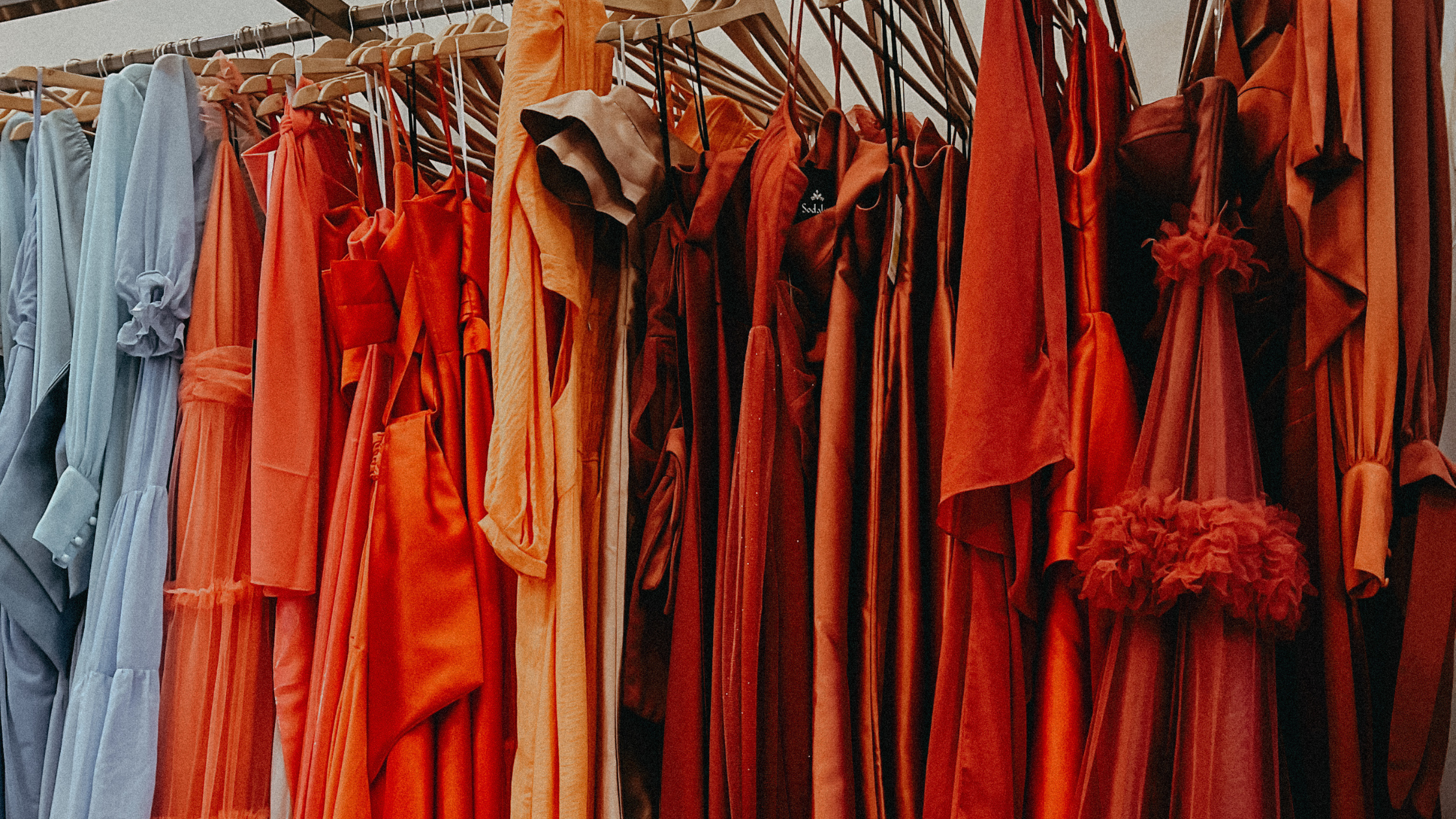
Have you ever put on a top and thought you looked tired, even though you felt perfectly fine? Then another day you wear a different colour and someone tells you how well you look.
There’s a reason for that. The colours we wear sit right beside our face, so they can have a surprising effect on how our skin, eyes and hair appear. The right colours can make your complexion look brighter, your eyes more noticeable and your overall appearance feel fresher. Other colours can make shadows, redness or unevenness more noticeable.
That doesn’t necessarily mean you can never wear a particular colour. Personal colour analysis isn’t about handing you a list of rules. It’s about understanding which versions of colours work particularly well for you, so you have a much better starting point when you’re getting dressed or shopping.
It’s not as simple as warm or cool
You may have heard people talk about having a warm or cool skin tone, and that is certainly part of colour analysis. But there is more to it than that. I also look at the natural depth and contrast in your colouring, how bright or muted colours interact with your features, and which tones create harmony rather than competing with you. Take blue, for example. Someone might tell me, “I can’t wear blue,” when actually there may be several beautiful blues that suit them. It could simply be that the very pale icy blue they’ve been trying washes them out, while a richer teal or softer navy makes their eyes stand out. The same goes for neutrals. Black isn't automatically everyone's best neutral, just as beige isn't automatically boring. The question is which black, navy, cream, camel, grey or brown works best with your natural colouring.
Once you start seeing those differences, colour becomes much easier to understand.
Start by noticing what happens to your face
If you’re trying to work out which colours suit you, one of the simplest things you can do is stop looking at the garment for a moment and look at your face instead. Try holding a few different colours underneath your face in good natural light, ideally without heavy makeup. Notice what happens when you move from one colour to another. Do your eyes suddenly become more noticeable? Does your skin look clearer? Do you see you first, or does the colour seem to take over? Sometimes the difference is subtle. Sometimes it really isn't. After more than 40 years working with women through hair, makeup, fashion and styling, I still love seeing that moment when we find a colour that just works. You can often see the difference before we've even discussed why.
Knowing your colours can change the way you shop
One of the biggest benefits of colour analysis has very little to do with fashion trends. It can simply make shopping easier. Think about how many times you've bought something because you loved the colour on the hanger, only to get it home and never feel quite right in it. You can't necessarily explain why. You just don't reach for it. When you understand your personal colour palette, you have a filter. Instead of walking into a shop and considering everything, you can begin by looking for colours you already know work for you. You may also find that the pieces in your wardrobe start working together more naturally because you're choosing from a palette of complementary colours rather than buying individual pieces in isolation.
That can mean fewer mistakes, fewer unworn clothes and much less standing in a change room wondering why something looked so much better on the mannequin.
And no, you don't have to throw everything away
This is something I always want women to understand. Having your colours analysed doesn't mean going home with a bag and clearing half your wardrobe out. If you love something, there are often ways to make it work. We might introduce one of your better colours closer to your face through a scarf, jacket or accessory, change the makeup you're wearing with it, or simply recognise that not every item in your wardrobe has to be the perfect colour. Your palette is there to help you, not restrict you. I want you to understand colour well enough that you can make your own decisions. That's much more useful than memorising a set of rules.
Colour changes as we do
The colours that suited you years ago may not feel quite the same today. Hair changes, skin changes and contrast can soften over time. You might also have stopped colouring your hair, embraced grey or silver, or simply find that the colours you once automatically reached for no longer seem quite right. That's completely normal. It doesn't mean you've lost your sense of style. You may simply need to look at yourself as you are now rather than continuing to dress from an old picture of yourself. And when you find the colours that really work? Getting dressed can suddenly become a lot simpler and more fun!
If you'd like to discover your own colours, Sandy offers personal Colour Consultations as well as Colour Workshops for groups, giving you practical guidance you can use every time you shop, dress or put an outfit together.